
Garden Suite vs Laneway Home: What’s the Difference?
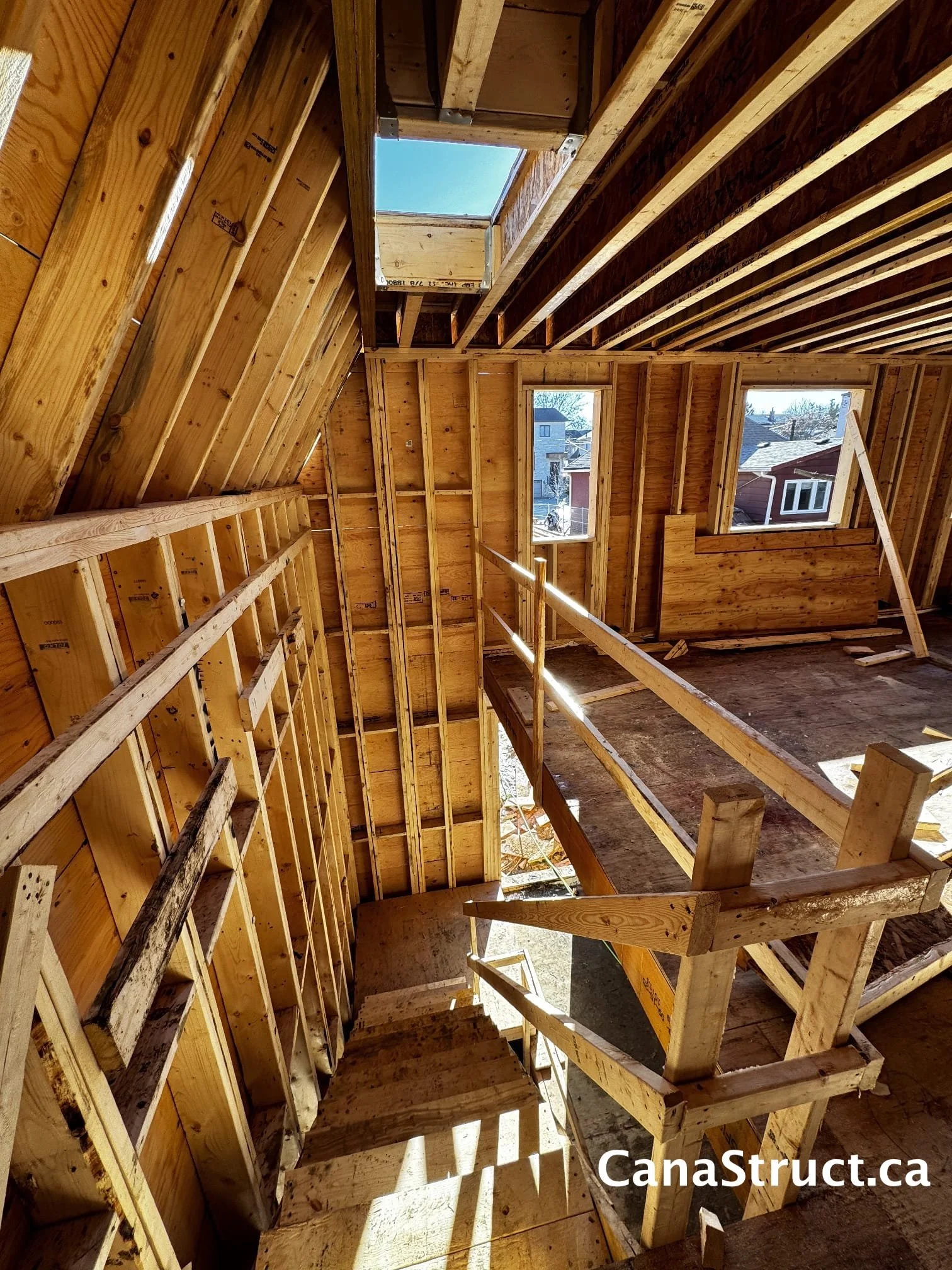
As cities look for smarter ways to add housing without changing neighborhood character, garden suites and laneway homes have become increasingly popular. While they are often grouped together as secondary dwelling units, they are not the same thing. Understanding the difference is essential if you’re a homeowner, investor, or developer.
In this guide, we break down the key differences between a garden suite and a laneway home, including location, design, zoning requirements, and best use cases.
What Is a Garden Suite?
A garden suite is a detached residential unit located in the backyard or side yard of a property. It does not require a public lane and can be built on lots that only front a main street.
Key Features of a Garden Suite
Built in the rear yard or side yard of a lot
Detached from the main house
Accessed via a side-yard walkway or backyard path
Can be one or two storeys
Designed to blend into the surrounding landscape
Common Uses
Rental income property
Multigenerational living (parents, adult children)
Guest house or long-term housing
Considerations
Garden suites often require:
Larger lot sizes
Minimum rear-yard depth
Careful attention to setbacks, privacy, and tree protection
Best for: Properties without laneways that have sufficient backyard space.
What Is a Laneway Home?
A laneway home is a detached dwelling that fronts onto a public laneway or alley at the rear of a property. These homes are specifically designed to take advantage of lane access.
Key Features of a Laneway Home
Located at the rear of a lot that abuts a lane
Front door and address typically face the laneway
Often built above or beside a garage
Narrower footprint with vertical design
Direct vehicle access from the lane
Common Uses
Rental unit in urban neighborhoods
Housing for family members
Small standalone residence in dense areas
Considerations
Laneway homes require:
A property that directly abuts a public lane
Compliance with lane-facing design guidelines
Careful planning for servicing and garbage access
Best for: Urban lots with rear laneway access.
Garden Suite vs Laneway Home: Side-by-Side Comparison
FeatureGarden SuiteLaneway HomeLot requirementNo lane requiredMust abut a lane or alleyLocation on lotBackyard or side yardRear of lot, facing lanePrimary accessSide yard or backyardLaneway entranceTypical designCottage-style, compactNarrow, vertical, urbanGarage integrationOptionalCommonIdeal settingLarger residential lotsDense urban neighborhoods
Zoning and Approval Differences
Municipalities regulate garden suites and laneway homes differently due to:
Access and servicing requirements
Fire safety and emergency access
Privacy and shadow impacts
In many cities:
Laneway homes are permitted as-of-right on eligible lots
Garden suites may require additional reviews or stricter lot size standards
Always consult local zoning bylaws before planning a project.
Which Option Is Right for You?
Choose a garden suite if:
Your property does not have a laneway
You have a deep or wide backyard
You want a more private, green-oriented unit
Choose a laneway home if:
Your lot fronts a public laneway
You want direct street-style access
You are building in a dense, urban area
Final Thoughts
While both garden suites and laneway homes increase housing options and property value, the key difference lies in lot access and placement. Garden suites sit within your yard, while laneway homes function like small houses that face a lane.
Understanding these distinctions early can save time, money, and approval headaches.
If you’re considering building either option, consulting a planner or designer familiar with local regulations is the smartest first step.
Frequently Asked Questions (FAQ)
Is a garden suite the same as an ADU?
Yes. A garden suite is a type of Accessory Dwelling Unit (ADU). Terminology varies by municipality, but garden suites generally refer to detached ADUs located in the backyard or side yard of a property.
Do I need a laneway to build a laneway home?
Yes. A laneway home can only be built on a property that directly abuts a public laneway or alley. Without lane access, a laneway home is not permitted.
Which option adds more property value?
Both can significantly increase property value. Laneway homes often perform well in dense urban areas with strong rental demand, while garden suites can add value by creating flexible living space on larger lots. The best option depends on location, zoning, and market conditions.
Can I rent out a garden suite or laneway home?
In most cities, yes. Both housing types are commonly used as long-term rental units, subject to local rental and licensing rules. Short-term rentals may be restricted.
Do garden suites and laneway homes require parking?
Parking requirements vary by municipality. Many cities have reduced or eliminated parking minimums for secondary units, especially near transit, but this should be confirmed during zoning review.
How long does approval take?
Approval timelines vary, but laneway homes are often approved faster when permitted as-of-right. Garden suites may take longer if additional zoning review or variances are required.