
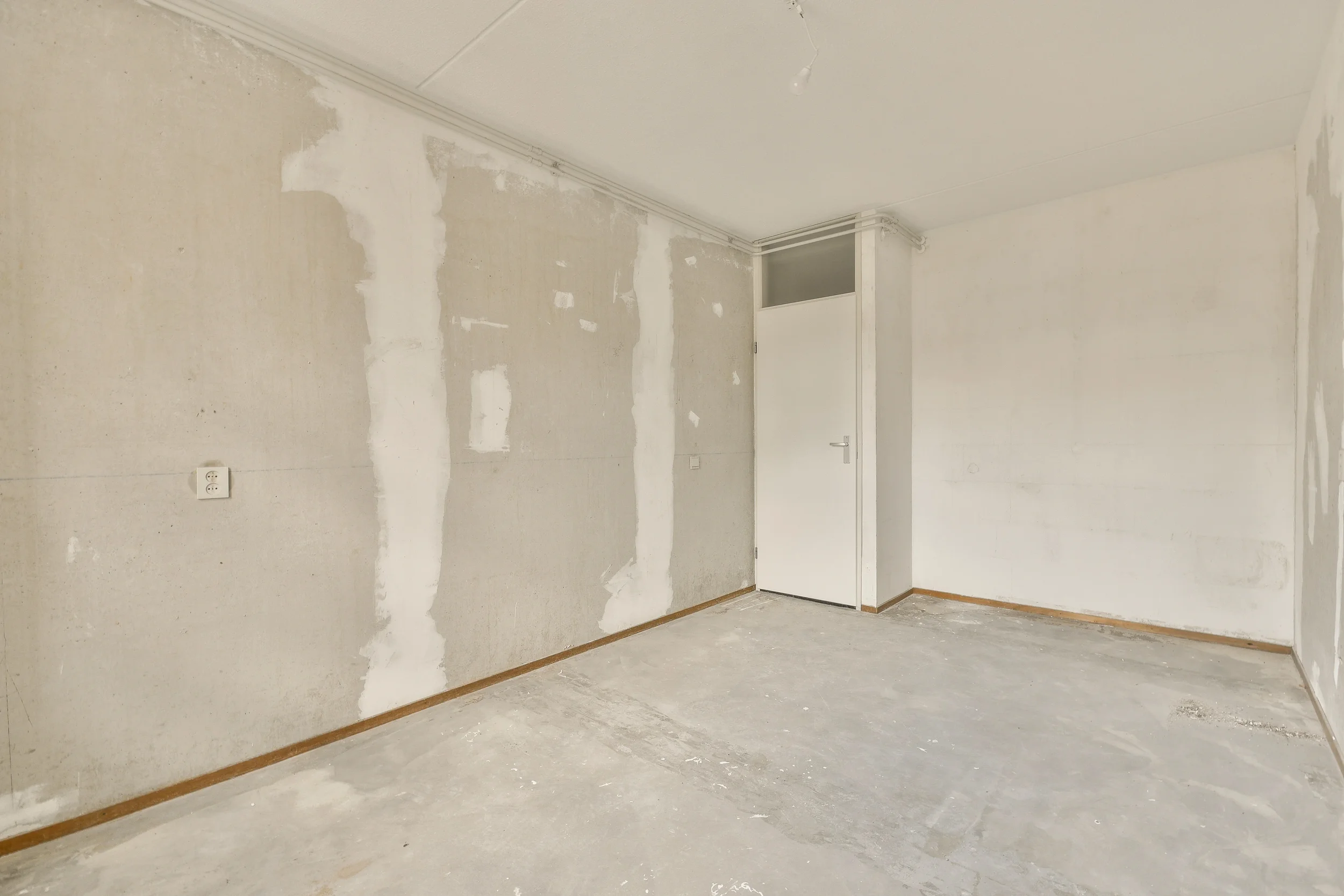
Drywall Installation Services in Toronto
Looking for expert drywall installation in Toronto? Canastruct Inc delivers precision residential and commercial drywall installation backed by years of hands-on experience across the GTA. From new builds to full renovations, our professional drywall installers handle every job with the craftsmanship and speed your project demands.
What is Drywall Installation?
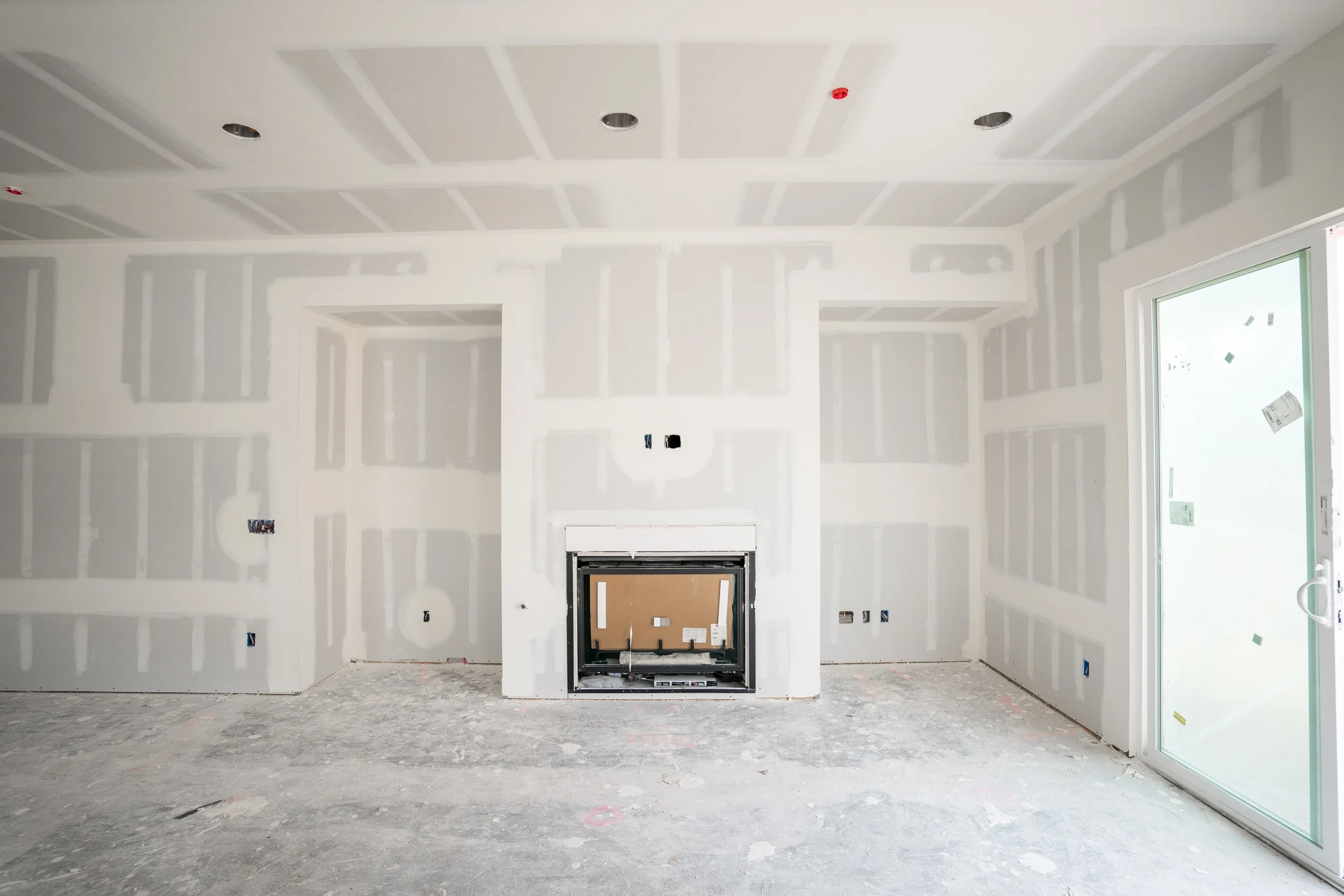
Drywall installation is the process of cutting, hanging, and finishing large panels of gypsum board commonly known as drywall, gyproc, or sheetrock to form the interior walls and ceilings of a building. It's one of the most fundamental stages of any construction or renovation project, bridging the gap between structural framing and the finished, paint-ready surfaces you see in a completed space.
A standard drywall panel consists of a gypsum plaster core pressed between two sheets of heavy paper. That core gives drywall its key properties: it's fire-resistant, dimensionally stable, easy to finish, and cost-effective to install at scale. Depending on the application, installers may use standard half-inch board for general walls, five-eighths-inch Type X panels for fire-rated assemblies, moisture-resistant board in bathrooms and basements, or acoustic-rated panels in spaces where sound control is a priority.
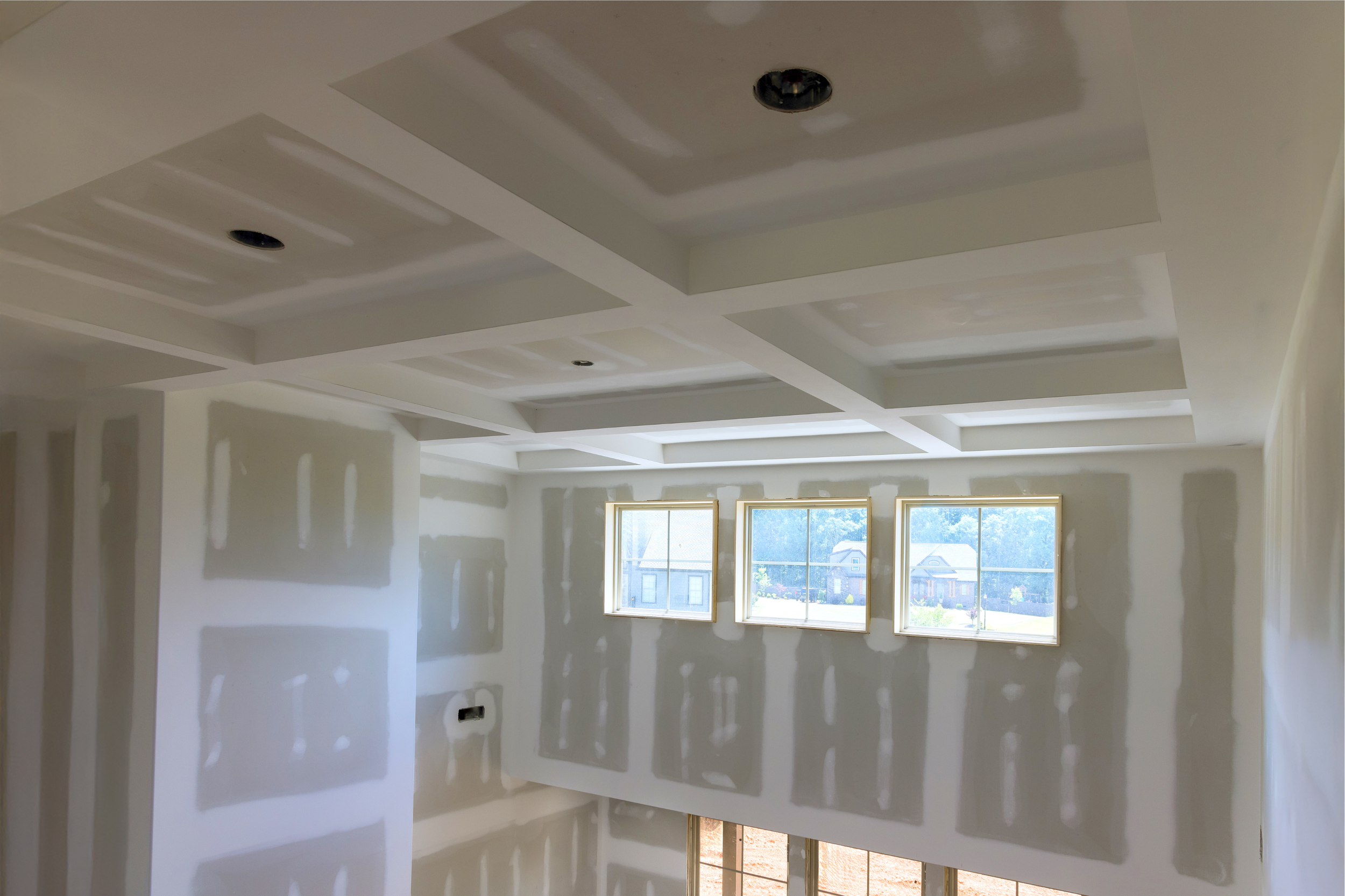
Our Drywall Installation Services
-
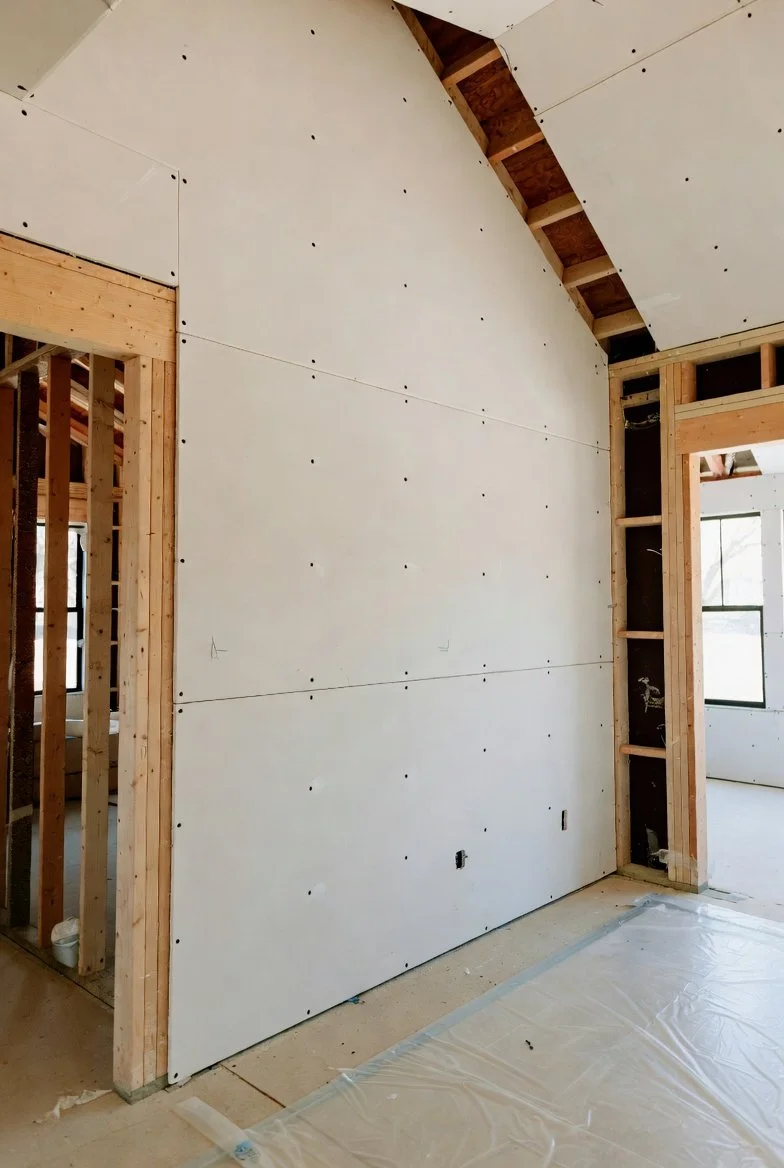
Residential Drywall Installation
Our residential drywall installation service covers single-family homes, basement developments, additions, and full interior renovations.
Whether you're finishing a newly framed basement or replacing damaged drywall throughout an older home, we size up the scope accurately, prep the space properly, and execute with minimal disruption to your household.
We work closely alongside our basement framing team, meaning your project flows seamlessly from structural framing straight through to drywall no gaps, no miscommunication, no delays.
-
Commercial Drywall Installation
Speed and precision matter on commercial job sites. Our commercial drywall installation crews are experienced in working within tight construction schedules while meeting the fire, acoustic, and structural code requirements that commercial projects demand.
We work in office buildouts, retail spaces, multi-unit residential buildings, and institutional projects across Toronto.
-
Multiplex & Multi-Unit Drywall
Building a fourplex, sixplex, or larger multiplex in Toronto?
We pair our fourplex and multiplex framing services directly with our drywall installation crew to keep your build on schedule and under one reliable contractor. Consistent quality across every unit. One point of contact from frame to finish.
Get started today.
What's Included in a Canastruct Drywall Installation
Every drywall installation project we take on includes:
Material takeoff and procurement support: We help calculate the exact board quantities you need, reducing waste and cost overruns
Proper layout and staging: Boards are measured, cut, and staged before installation begins to maximize efficiency
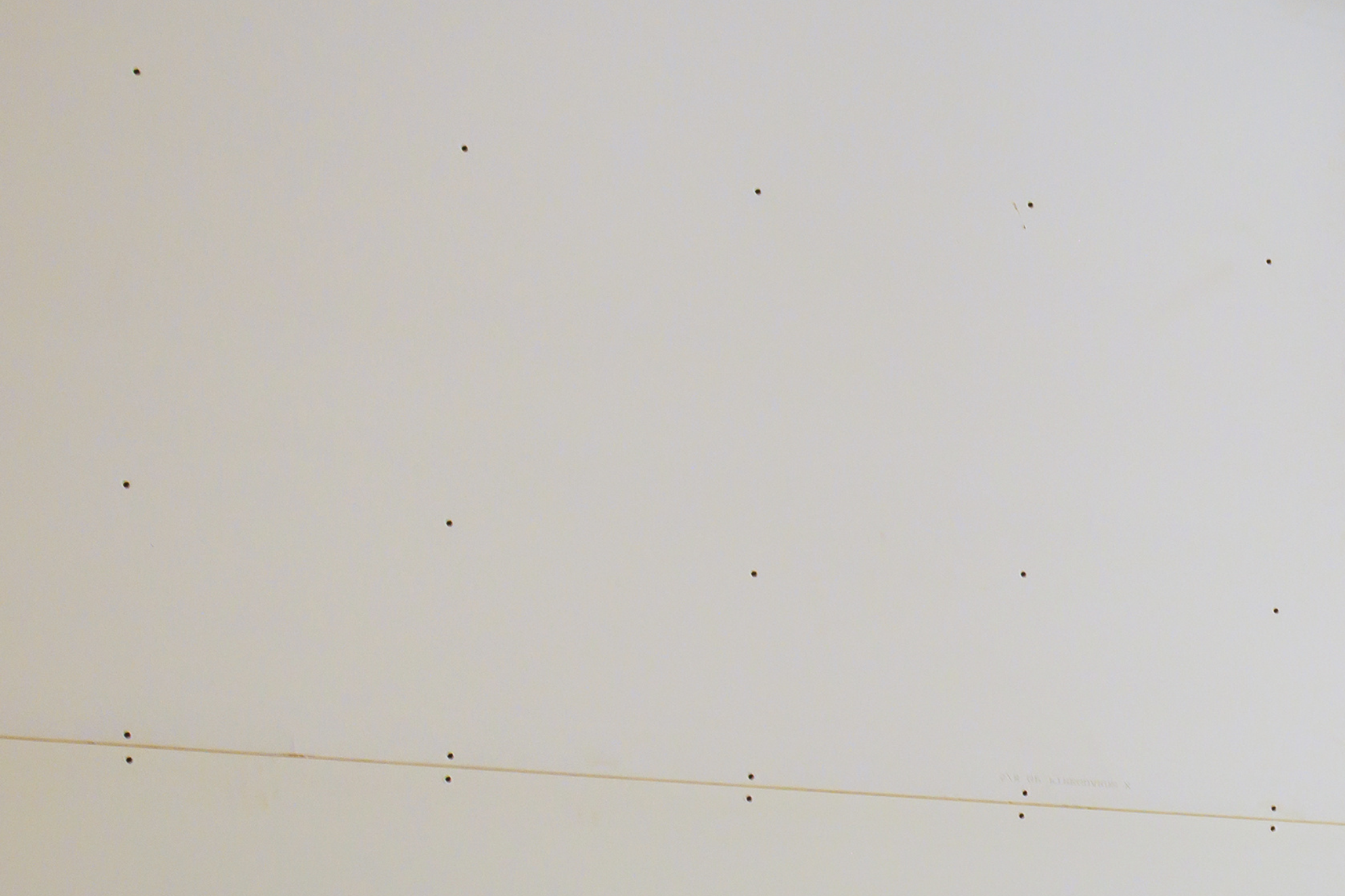
Correct fastening patterns: We follow industry standards for screw spacing on both walls and ceilings (more on this in the FAQ below)
Corner bead and edge treatment: All corners and edges are properly beaded for crisp, durable finishing lines
Seam taping and mudding: Joints are taped and coated with the right number of mud layers for a smooth, paint-ready surface
Final sanding and inspection: We don't hand off a wall that isn't ready. Every surface is sanded and visually inspected before we leave
Drywall Installation Cost in Toronto
One of the most common questions we get is: What is the average price for drywall installation? Drywall installation cost in Toronto depends on several factors:
Material takeoff and procurement support: We help calculate the exact board quantities you need, reducing waste and cost overruns
Square footage of the area being drywalled
Board thickness and type: (standard ½", moisture-resistant, fire-rated, soundproof)
Number of corners, cutouts, and architectural details
Ceiling height: 9-foot or vaulted ceilings take more time and scaffolding
Finishing level required: Level 3, 4, or 5 finish carries a different price point
Access and site conditions: Tight spaces, multi-storey access, or active job sites add complexity
As a rough benchmark, residential drywall installation in Toronto typically ranges from $1.50 to $3.50+ per square foot for hanging only, with finishing (taping and mudding) adding to that cost. Commercial projects are priced based on scope and specs.
We provide detailed, transparent quotes for every project — no surprise charges. Contact us for a free estimate tailored to your specific job.
Common Drywall Installation Mistakes We Prevent
Choosing the wrong installer can cost you significantly in repairs, rework, and delays. Here are the drywall installation mistakes our team is trained to avoid:
Improper screw spacing: Under- or over-fastening leads to sagging boards, nail pops, and cracked seams. We follow proper spacing protocols for every board type and application.
Skipping moisture protection: Using standard drywall in bathrooms, kitchens, or basement spaces where moisture-resistant board is required is a common and costly error.
Butt joint overuse: Too many butt joints (the non-tapered ends of boards meeting) create hard-to-finish seams. We plan layouts to minimize them.
Poor corner bead installation: Loose or misaligned bead shows immediately once paint goes on. We fasten bead properly and check alignment before mudding.
Rushing the mud coats: Each coat of joint compound must dry fully before the next is applied. Rushing leads to cracking and shrinkage telegraphing through the finish.
Inadequate sanding: Insufficient sanding leaves ridges and seam marks visible under paint, especially under raking light.
Why Choose CanaStruct Inc
End-to-end capability: We handle framing and drywall under one roof, reducing coordination headaches and keeping your project on schedule
Experienced crews: Our professional drywall installers bring hands-on experience across residential, commercial, and multi-unit construction
Toronto-based: We're local, we know Toronto's building codes, and we're accountable to our community
Transparent pricing: No hidden fees. You get a clear quote before we start
Quality guarantee: We stand behind our work. If something isn't right, we fix it
Frequently Asked Questions
What is the correct way to install drywall?
The correct way to install drywall starts with proper planning, mapping out your layout to minimize waste, avoid butt joints where possible, and account for all electrical, plumbing, and HVAC penetrations before boards go up.
For walls, boards are typically hung vertically or horizontally, depending on wall height and structural requirements. Fasteners are driven at the correct intervals, typically every 8 inches along studs in the field, and every 12 inches at the edges. For ceilings, boards are installed perpendicular to the joists, usually in the longest run possible to reduce seam count.
After hanging, all seams, corners, and fastener dimples are treated with joint tape and multiple coats of compound, each coat slightly wider than the last. Once dry, the surface is sanded smooth and inspected before painting.
How many screws should you put in a 4x8 sheet of drywall?
For a standard 4x8 sheet of drywall on walls, you should use approximately 32 screws roughly 16 along each stud the panel spans, spaced every 8 inches in the field and every 12 inches at the edges.
For ceiling applications, fastening frequency increases due to gravity load, typically calling for screws every 7 inches. The exact count can vary slightly based on board thickness (½" vs 5/8"), whether it's a single or double-layer application, and local building code requirements.
What is the rule of thumb for drywall?
The most common rules of thumb professional drywall installers follow include:
1/8-inch gap rule: Always leave a 1/8-inch gap between boards and at floor level to allow for expansion and to prevent moisture wicking.
Stagger your seams: Never align horizontal seams on adjacent boards. Offset them by at least one stud bay (16 inches) to prevent long continuous cracks.
Ceiling first: Always drywall ceilings before walls. Wall boards then support the ceiling board edges, reducing fastener stress.
Match board to application: Use moisture-resistant board in wet areas, fire-rated board where code requires it, and standard board everywhere else.
Level 5 finish under critical lighting: In spaces with strong raking light or high-gloss paint, a Level 5 skim coat finish is the rule, not the exception.
What are common mistakes made during drywalling?
The most common drywall installation mistakes include: using the wrong board type for the application (especially ignoring moisture resistance in bathrooms and basements), over-driving or under-driving screws, creating too many butt joints due to poor layout planning, rushing mud coats without allowing proper drying time, failing to tape seams properly before mudding, and inadequate sanding before paint. Choosing professional drywall installers with a strong track record helps you avoid these costly errors entirely.
What is the difference between Level 3, 4, and 5 drywall finishes?
Drywall finishing is graded on a scale from Level 0 to Level 5:
Level 3: All joints and fasteners coated, tape embedded, one finish coat. Suitable for heavy texture applications.
Level 4: Additional finish coat applied—standard for most painted residential walls.
Level 5: A full skim coat over the entire surface, creating a perfectly smooth, blemish-free wall. Required where flat or semi-gloss paint will be used, or where the wall will be viewed under strong light.
What type of drywall should I use in a basement?
For basement applications, moisture-resistant drywall (often called "green board" or "purple board") is recommended for areas prone to humidity. In spaces that require fire separation, such as attached garages or between units in a multiplex, 5/8-inch Type X fire-rated drywall is required by the Ontario Building Code. Our basement framing and drywall team can advise on the right board type for your specific basement project.
How long does drywall installation take?
Timeline varies significantly based on project size, complexity, and finish level. A single-room renovation may be done in a day or two, while a full basement or commercial buildout can take one to several weeks. Taping and mudding adds time, typically three coats with drying time between each, which can stretch over several days. We provide project-specific timelines with every quote.
Service Areas we Serve
CanaStruct Inc. provides drywall installation services throughout the Greater Toronto Area. We currently serve:
Toronto (all commercial and industrial zones)
East York
Etobicoke
North York
Scarborough
Richmond Hill
Markham
Caledon
Mississauga
Oakville
No matter where your project is located in the GTA, CanaStruct's framing contractors are ready to help. We're experienced in working across all Toronto neighbourhoods and surrounding municipalities.