
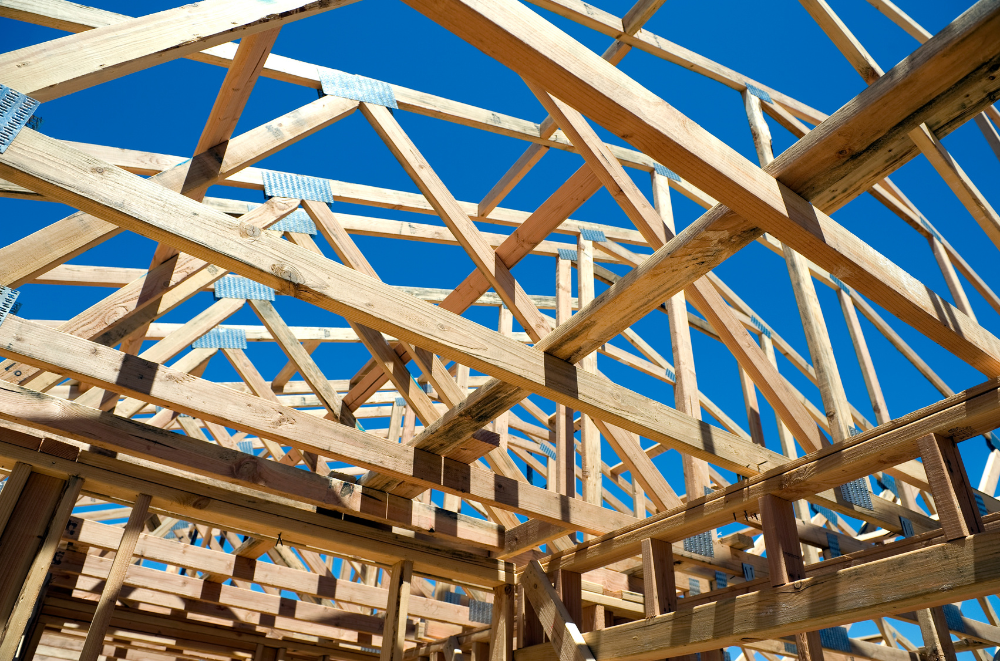
Professional Backframing Services in Toronto
CanaStruct Inc provides expert backframing services across Toronto and the GTA. From bulkhead framing and basement framing to full structural reframes, our framing contractors deliver tight, code-compliant work that keeps your project moving forward.
Specialized back framing, bulkhead framing, and basement framing services
Wood and steel stud framing options, matched to your project and budget
Licensed, insured, and Ontario Building Code compliant on every job
Serving Toronto, Mississauga, Oakville, Markham, and surrounding GTA communities
Transparent pricing, firm timelines, and zero surprises
What Is Back framing?
Backframing refers to the framing work done behind finished or existing surfaces, typically to create structural support for drywall, create chases for mechanical systems, build out bulkheads, or reframe areas that have been gutted during a renovation. It's the work that makes walls, ceilings, and soffits square, plumb, and solid before finishes go on.
Related terms you'll encounter when researching backframing services:
Back framing: framing installed behind walls or ceilings to provide nailing surfaces, structural support, or utility concealment
Bulkhead framing: framing that creates the boxed-in structures around ductwork, beams, pipes, and other mechanical elements that drop below the ceiling plane
Basement framing: the full scope of framing required to finish a below-grade space, including perimeter walls, partition walls, ceiling systems, and bulkheads
Steel stud framing: the use of cold-formed steel sections instead of wood for partition and back framing, common in basements and commercial applications
Structural framing: load-bearing framing that supports the weight of floors, walls, and roofs, distinct from non-structural partition framing
How Backframing Works
Backframing begins with a thorough review of your space, taking measurements, identifying existing structural elements, locating mechanical runs, and confirming the layout against your drawings or design intent. No two backframing jobs are identical. Basement layouts vary, bulkhead sizes depend on duct positioning, and interior reframes must account for whatever the previous construction left behind.
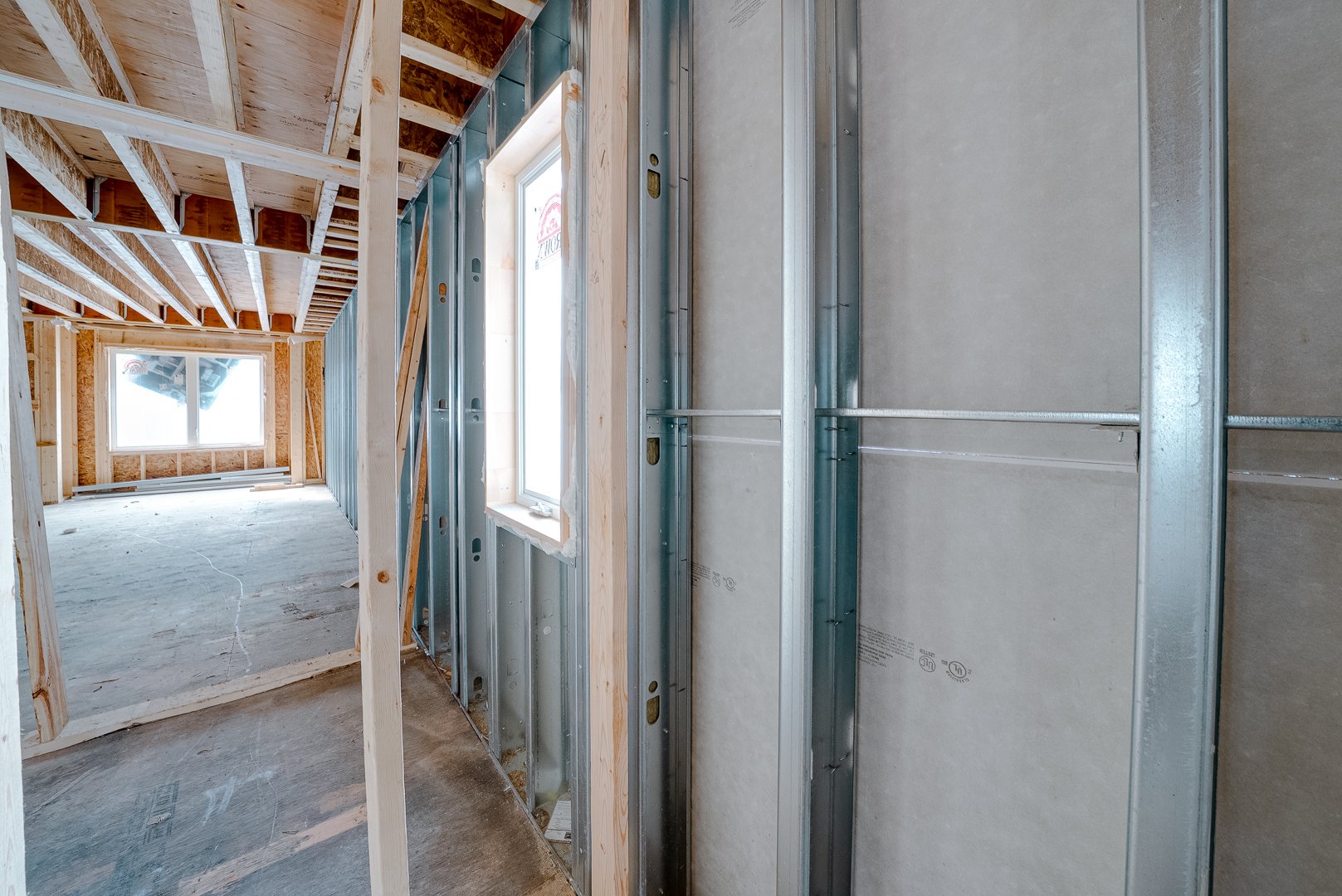
For most basement and back framing applications, we use a combination of steel stud track-and-stud systems, pressure-treated bottom plates where required by code, and dimensional lumber for blocking, nailers, and connection details. Tools include laser levels, rotary hammers for concrete anchoring, and powder-actuated fasteners for sill plate attachment, all of which require training to use safely and accurately.
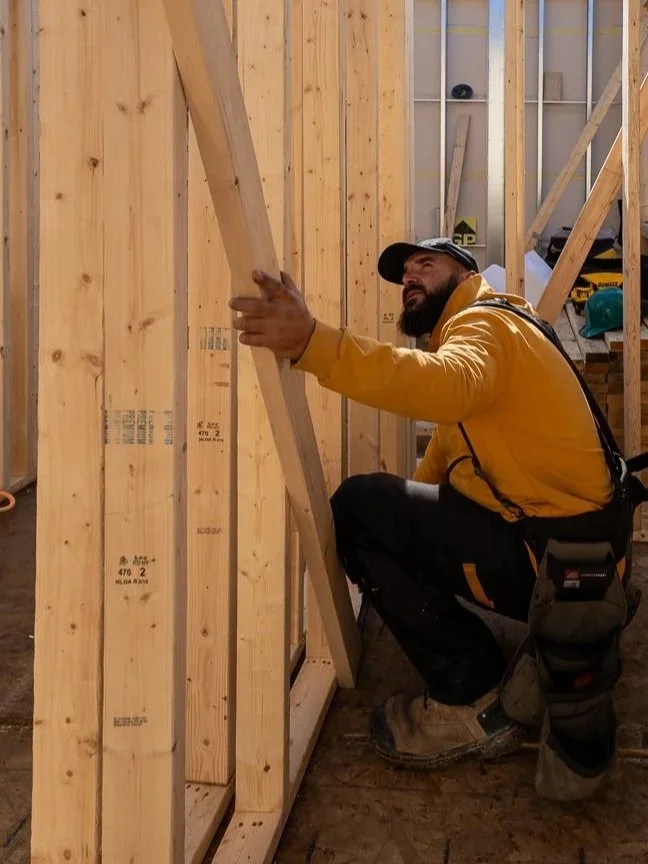
Our Back framing Services
-
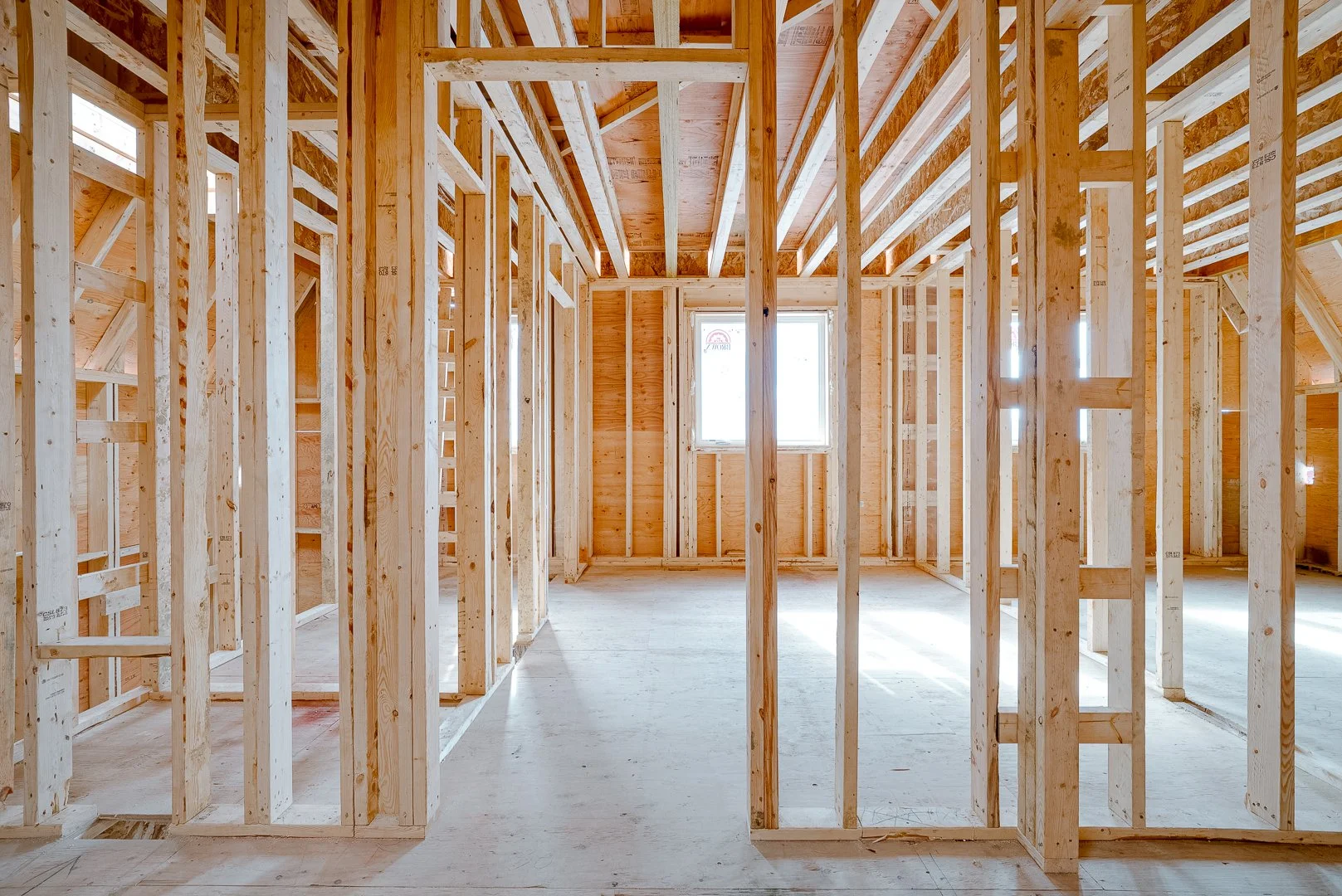
Interior Back Framing
Interior back framing involves installing framing behind walls that have been gutted or that need additional structural backing. This is common in full renovations where drywall is removed, plumbing or electrical is relocated, and the wall cavities need to be rebuilt before finishing. Our framing contractors ensure every wall is plumb, every corner is square, and every nailing surface is where it needs to be.
-
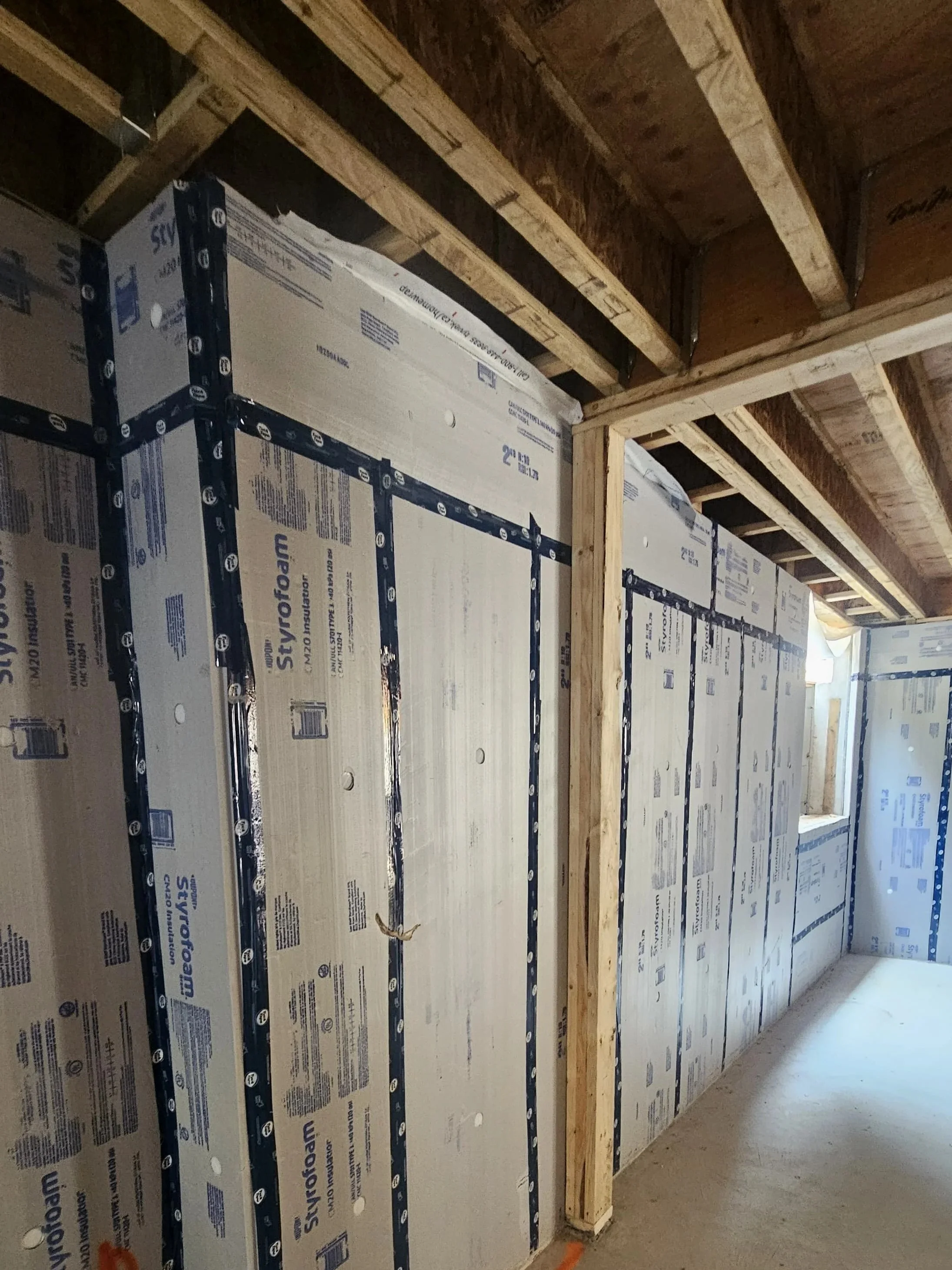
Bulkhead Framing
Bulkheads are the framed boxes that conceal ductwork, structural beams, plumbing lines, and electrical runs that can't be hidden inside walls. Poorly framed bulkheads look crooked, waste ceiling height, and create finishing headaches. CanaStruct builds tight, level bulkhead frames using both wood and steel stud systems — sized to minimize intrusion while creating clean, drywall-ready surfaces.
-
Basement Framing
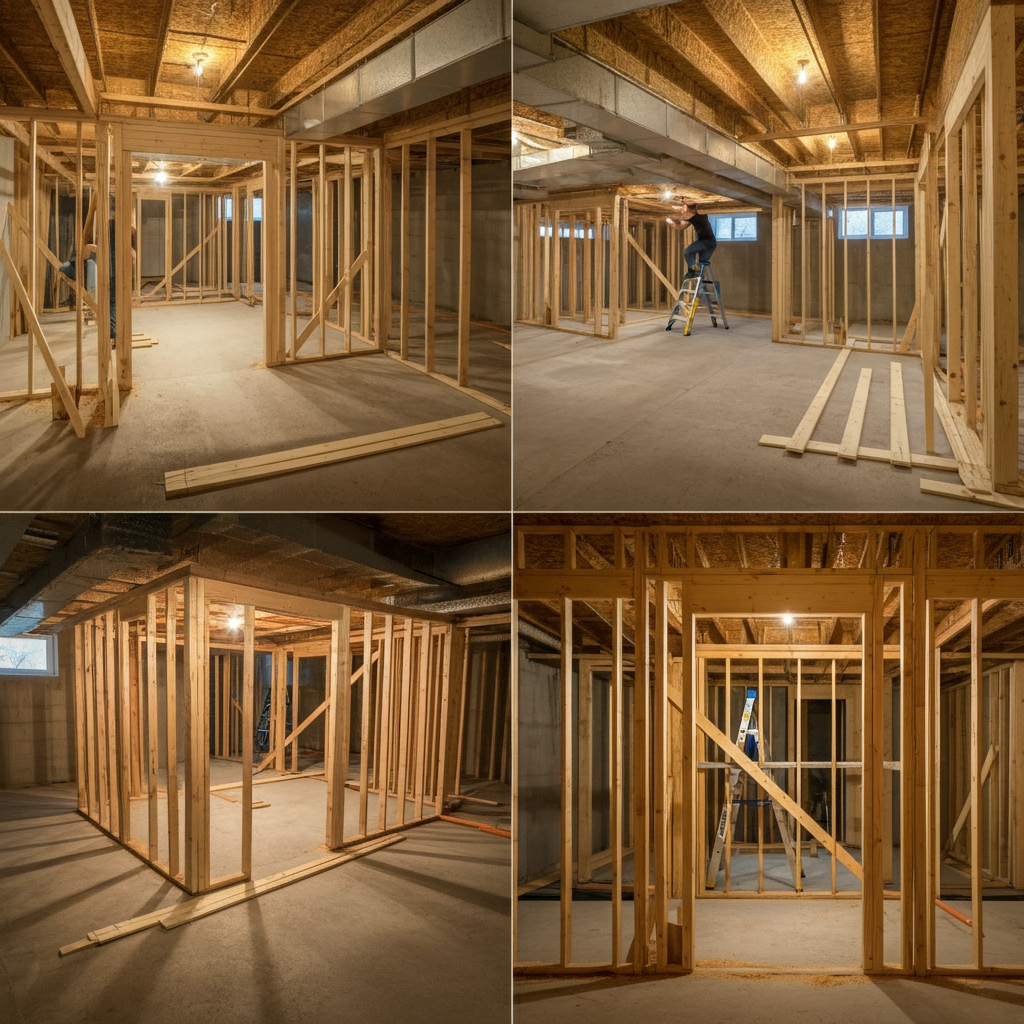
Finishing a basement starts with framing and getting it right determines how the rest of the project unfolds. CanaStruct handles full basement framing, including perimeter wall framing, interior partition walls, bathroom wet walls, window wells, staircase framing, and ceiling systems. We use steel stud framing for below-grade perimeter walls in most cases; it resists moisture, doesn't warp, and holds drywall cleanly for decades.
Get started today.
Our Process
Step 1. Initial Consultation
We discuss your project goals, the scope of backframing needed, and any drawings or design intent you have in hand. We identify what's structural and what's cosmetic, and flag any potential complications early.
Step 2. Site Assessment
Our lead framing contractor visits the site to take measurements, review existing conditions, locate mechanical runs, and confirm all layout dimensions before we commit to a price.
Step 3. Detailed Estimate
You receive a written, line-item estimate covering all labour, materials, and scope inclusions. No lump sums. No guesswork about what's covered.
Step 4. Planning and Material Procurement
We order materials, confirm any engineering or code requirements, and schedule your project start date around your renovation's critical path.
Step 5. Execution
Our framing crew works efficiently and cleanly. We keep the site organized, communicate with your GC or other trades, and flag anything unexpected before it becomes a problem.
Step 6. Quality Check
Before calling for inspection, our site supervisor walks the entire framed area to verify plumb walls, level bulkheads, correct stud spacing, and code compliance.
Step 7. Project Completion
We walk through the finished frame with you, answer any questions, and provide documentation for your permit file before the next trade steps in.
Backframing vs. DIY & Low-Cost Alternatives
Many homeowners consider handling back framing themselves, especially for basement framing projects that look straightforward on YouTube. Here's an honest look at what professional framing contractors deliver versus the DIY or budget alternative.
Cost
DIY framing saves on labour but rarely saves money overall. Incorrect stud spacing, wrong headers, or non-compliant assemblies result in failed inspections, re-work costs, and delays. Professional framing contractors get it right the first time, avoiding the compounding cost of fixing mistakes at the drywall or finish stage.
Durability
DIY basement framing with untreated wood on concrete floors is one of the most common sources of mould and structural damage in Toronto homes. Professional contractors use the right materials, pressure-treated lumber for any wood in contact with concrete, or steel stud framing systems that eliminate the issue entirely.
Performance
A professionally framed interior holds drywall flatter, keeps corners tighter, and produces less cracking over time. Bulkheads and back-framed walls built by experienced construction framing companies look better and perform better, because they're built with the finish trades in mind.
ROI
A finished basement in Toronto adds $50,000 to $150,000 or more in value, depending on the property. Cutting corners on framing risks the entire investment. Professional backframing is a small fraction of your total project cost, and the most important structural decision you'll make.
Why Choose CanaStruct Inc
Licensed and insured: CanaStruct carries full commercial general liability insurance and WSIB coverage. Every backframing project is supervised by a qualified site lead and executed by experienced crew members, not day labour or untrained subcontractors.
Code compliance: Our framing contractors build to Ontario Building Code standards every time. We know what inspectors look for in basement framing, bulkhead construction, and structural framing applications, and we deliver inspection-ready work on the first attempt.
Experienced team: Our crew has completed backframing on projects ranging from single-room renovations in East York to full-basement development in Caledon and multi-unit conversions in North York. We've seen the full range of conditions in Toronto-area homes, old foundations, oddly placed mechanicals, sloped floors, and we know how to frame around them cleanly.
Quality standards: We take care with layout precision, plumb walls, and consistent stud spacing. Our bulkheads are level and tight. Our back-framed walls give the drywall trades clean, even nailing surfaces. Quality framing is invisible when it's done right; you see it in how everything else goes together.
Timelines: We commit to project schedules and stick to them. Backframing is often a critical path item, the trades behind us can't start until we're done. We respect that dependency and deliver on time.
Transparency: Our estimates are detailed and written. You see every line item, labour, materials, scope inclusions, and exclusions. There are no lump sums, no hidden markups, and no surprise invoices at the end of the job.
Local credibility: We've been active in Toronto's renovation and construction community for over a decade. We understand the specific challenges of framing in older Toronto homes, tight urban lots, low-ceiling basements, and buildings with decades of previous work to account for.
Service Areas we Serve
CanaStruct Inc provides back framing services throughout Toronto and the surrounding GTA municipalities. Our framing contractors are available for basement framing, bulkhead framing, interior back framing, and steel stud framing projects across the region.
Toronto (all commercial and industrial zones)
East York
Etobicoke
North York
Scarborough
Richmond Hill
Markham
Caledon
Mississauga
Oakville
Based outside these areas? Contact us, we assess all projects and regularly accommodate requests beyond our primary service zone.
Frequently Asked Questions
What is back framing and when do I need it?
Back framing is the structural framing installed behind walls, ceilings, and soffits to provide support for drywall and finishes, create chases for mechanical systems, or rebuild interiors after gutting. You need it during full renovations, basement development, and any project where walls or ceilings are being rebuilt from scratch.
What is the difference between structural framing and back framing?
Structural framing is load-bearing, it carries the weight of floors, walls, and roofs. Back framing is generally non-structural. It creates surfaces for finishes and conceals building systems, but it doesn't bear significant loads. That said, some back framing elements like headers over openings or backing for heavy wall-mounted fixtures require structural consideration.
Should I use wood or steel stud framing for my basement?
For basement perimeter walls in Toronto, we recommend steel stud framing in most cases. Steel doesn't absorb moisture, doesn't warp, and won't develop mould problems if a minor basement leak occurs. Wood framing is acceptable with proper vapour management and pressure-treated bottom plates, but steel stud systems offer better long-term performance in below-grade environments.
How much does basement framing cost in Toronto?
Basement framing costs in Toronto typically range from $8 to $16 per square foot depending on layout complexity, ceiling height, material choice, and the number of partition walls and bulkheads required. A standard 1,000 sq ft basement with basic layout and bulkheads might run $10,000 to $18,000 for framing labour and materials. CanaStruct provides free, line-item estimates for all projects.
Do framing contractors handle permits for backframing projects?
Permits are typically the responsibility of the homeowner or general contractor, not the framing subcontractor. However, CanaStruct works closely with your permit process, we can advise on what drawings and specifications the city requires, and we frame to pass the required rough-in inspection. We don't cut corners that would cause an inspection failure.
How long does basement framing take?
A typical basement framing project in the 800–1,200 sq ft range takes three to seven business days depending on complexity, the number of partition walls, and how many bulkheads are required. More complex layouts, wet walls, or projects with multiple ceiling heights may take longer. We provide firm timelines at the estimate stage.
Can CanaStruct Inc work as a framing subcontractor for GCs?
Yes. CanaStruct regularly works as a framing subcontractor for general contractors, developers, and design-build firms across the GTA. We're familiar with subcontractor expectations, we show up on schedule, communicate proactively, keep sites clean, and don't create problems for the trades behind us. Many construction framing companies in the GTA rely on us for backframing scope on their renovation projects.